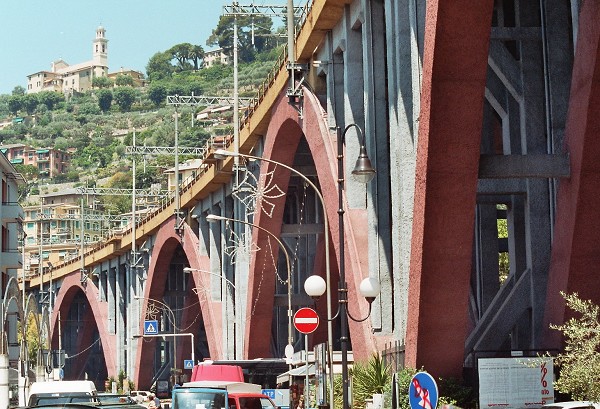
A tour of Venice backstreets

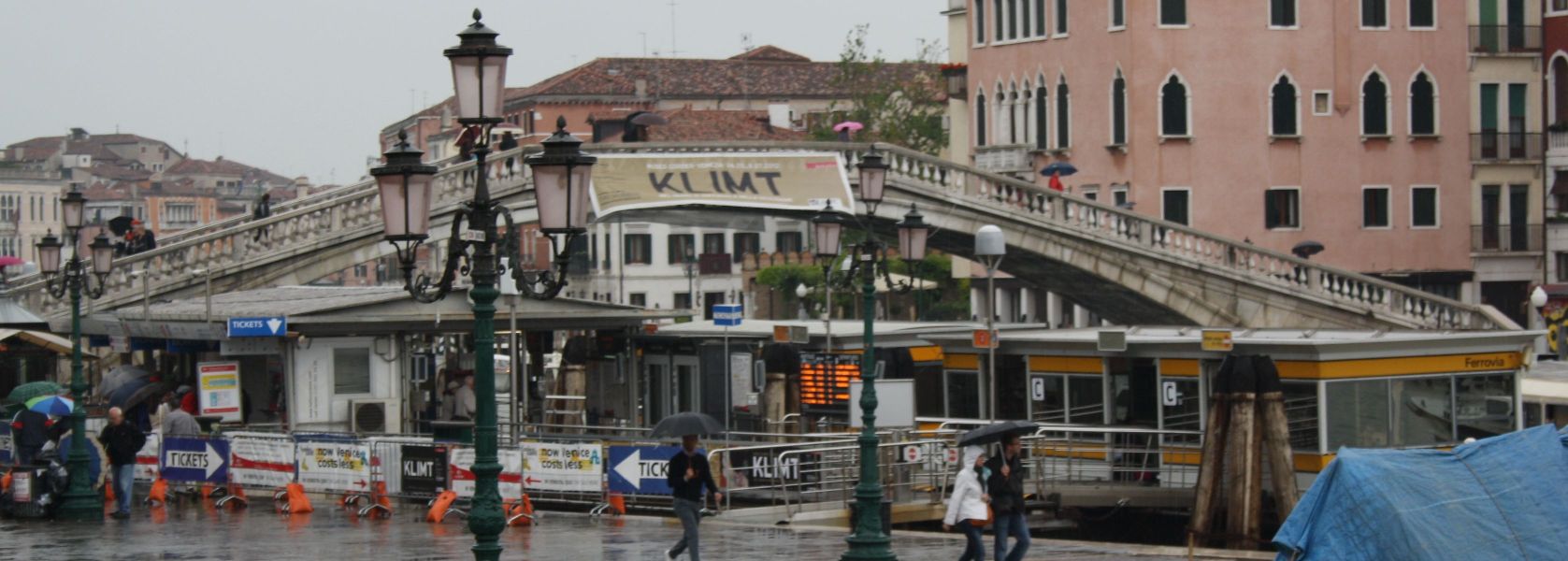
The great majority of the tourists in Venice are concentrated within a stone’s throw of The Grand Canal and St Mark’s Square, but the real charm of the place is in the back streets and canals, where (apart from the occasional gondola jam) the tourists are relatively rare.

Here is a tour featuring (mainly) a  random selection of the many unsung bridges of Venice.

This slideshow requires JavaScript.

Posted in Bach, Historic Bridges, Newton | Tagged , , | 1 Comment

Bridges over the Grand Canal

This post was planned to be a description of the four bridges over the Grand Canal in Venice, but I discovered that The Happy Pontist has already done this, so I will just provide links to his site, some photos, and comments on points of interest.

Venice Bridges: 1. Ponte dell’Accademia
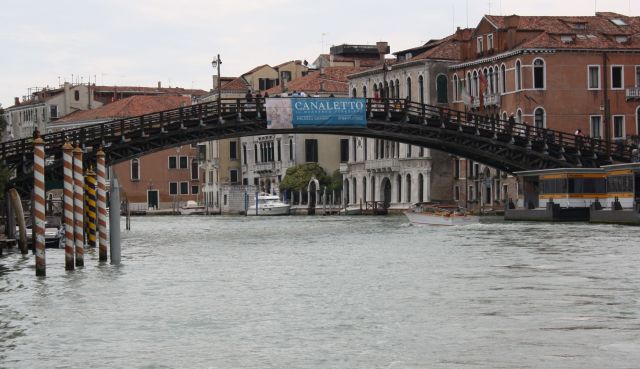
Ponte dell’Accadamia

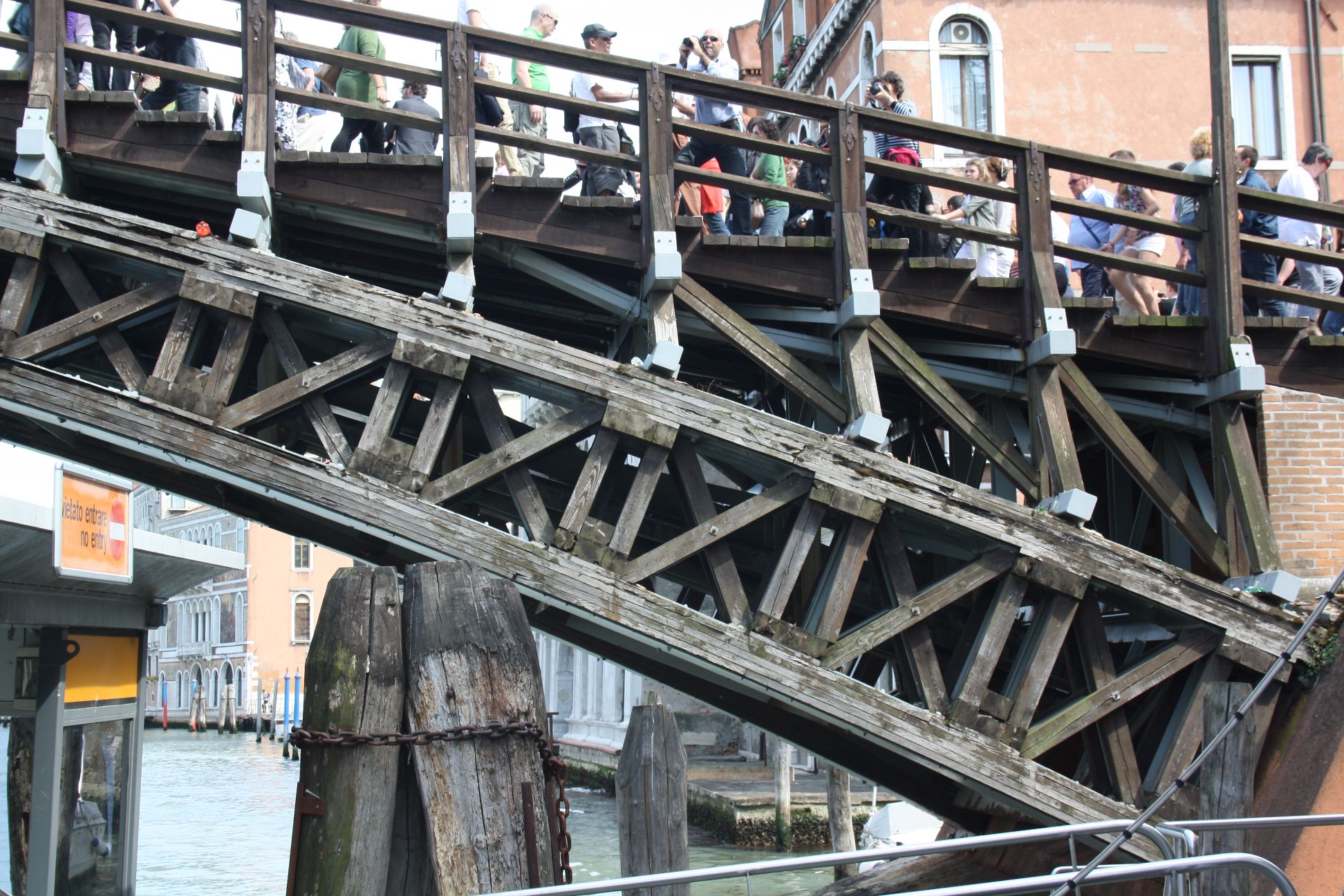
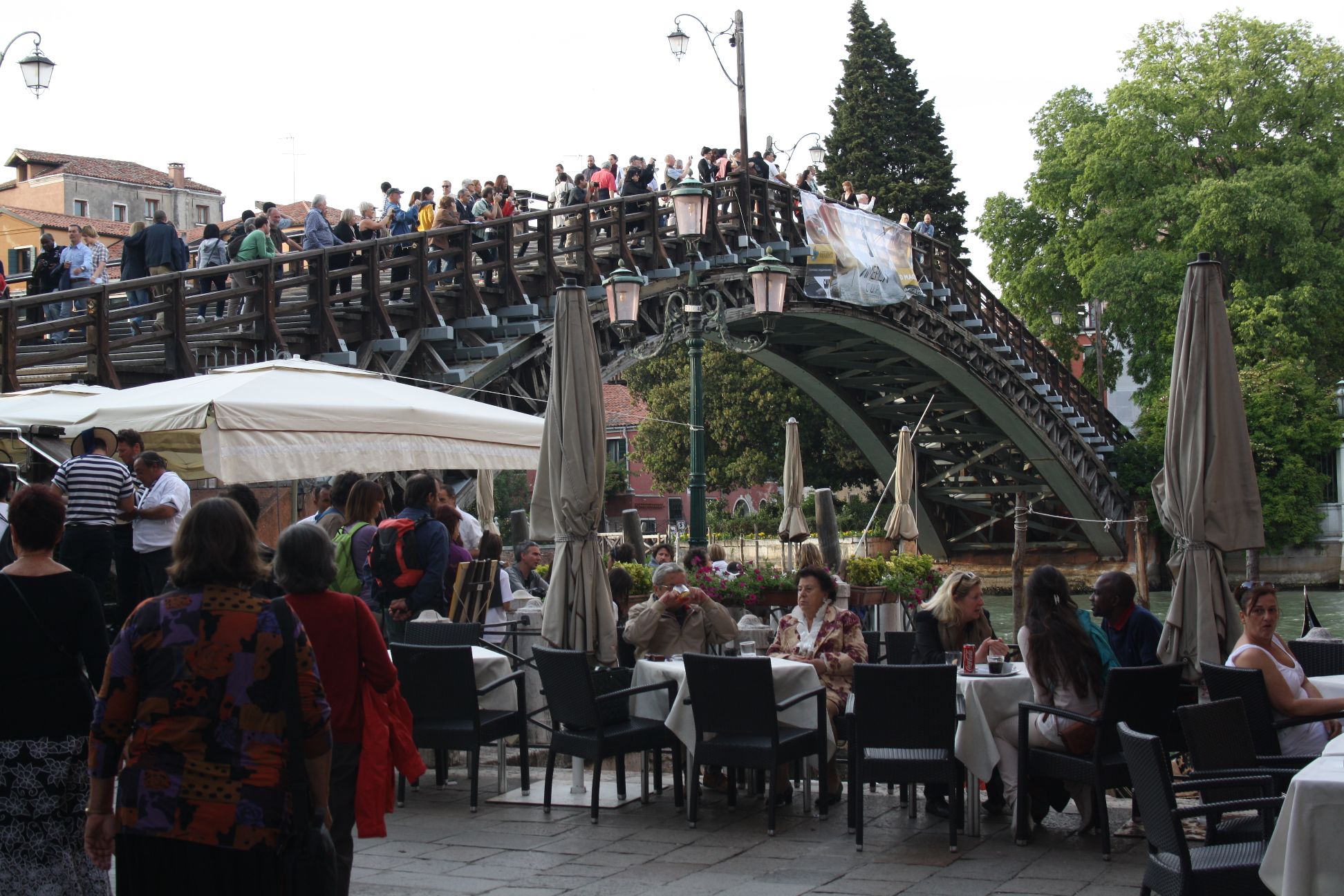
The Ponte dell’Accadamia was originally a steel girder bridge, completed in 1854, replaced with a single span timber arch in 1948.  This was further upgraded between 1963 and 1965 and in 1986.  The final work is often described as further strengthening of the timber structure, but as can be clearly seen in the pictures below the structure is now a steel girder arch with timber trim, rather than a timber arch with steel strengthening:
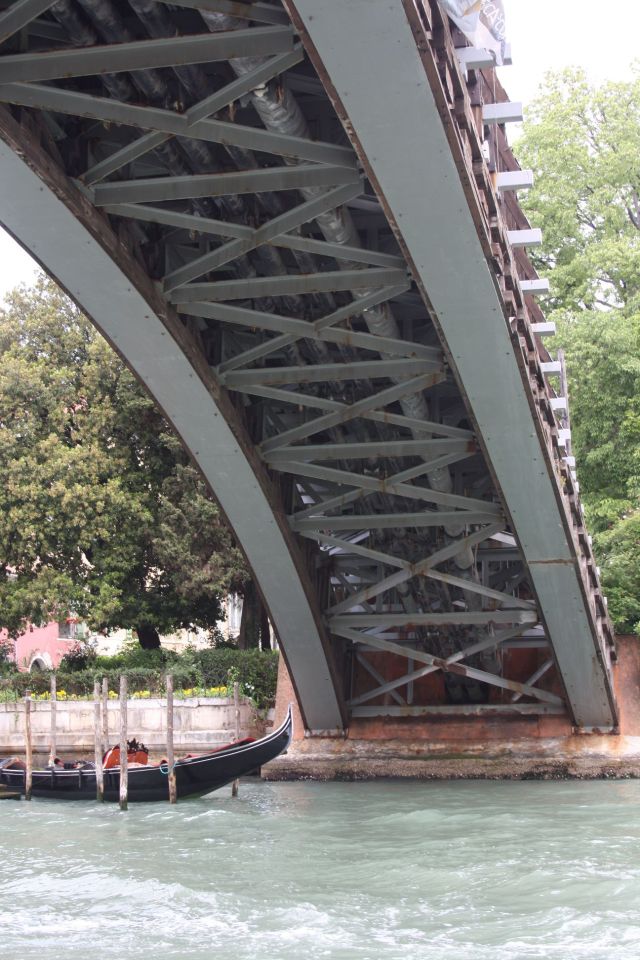
Ponte dell’Accadamia steel girder acrches

Ponte dell’Accademia timber trim
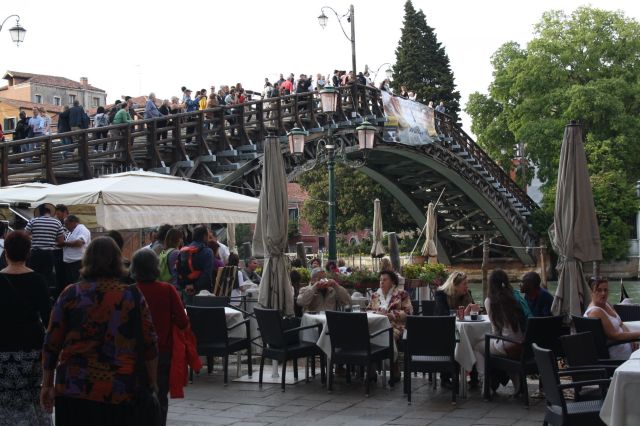
Ponte dell’Accademia

Venice Bridges: 2. Ponte de Rialto

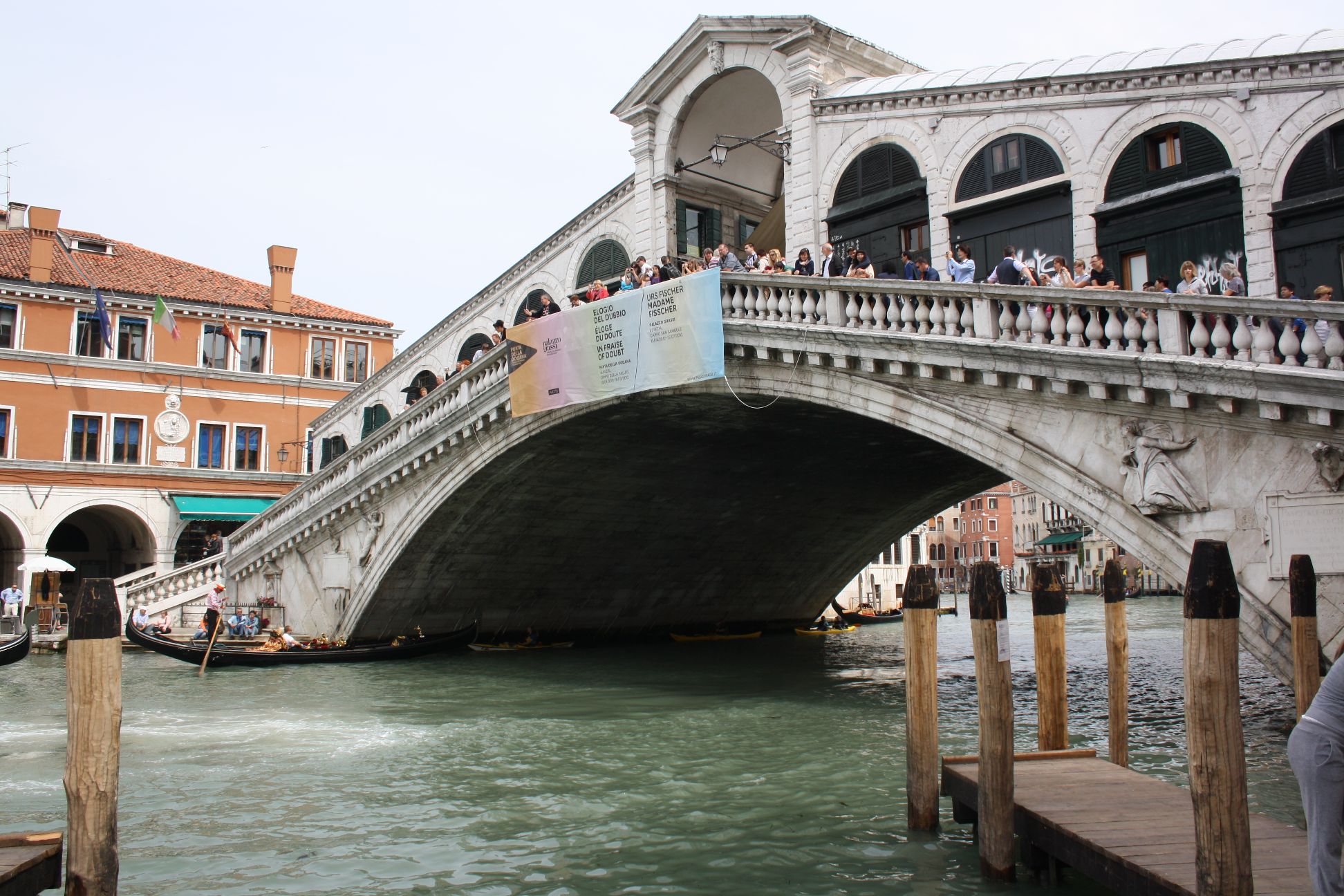
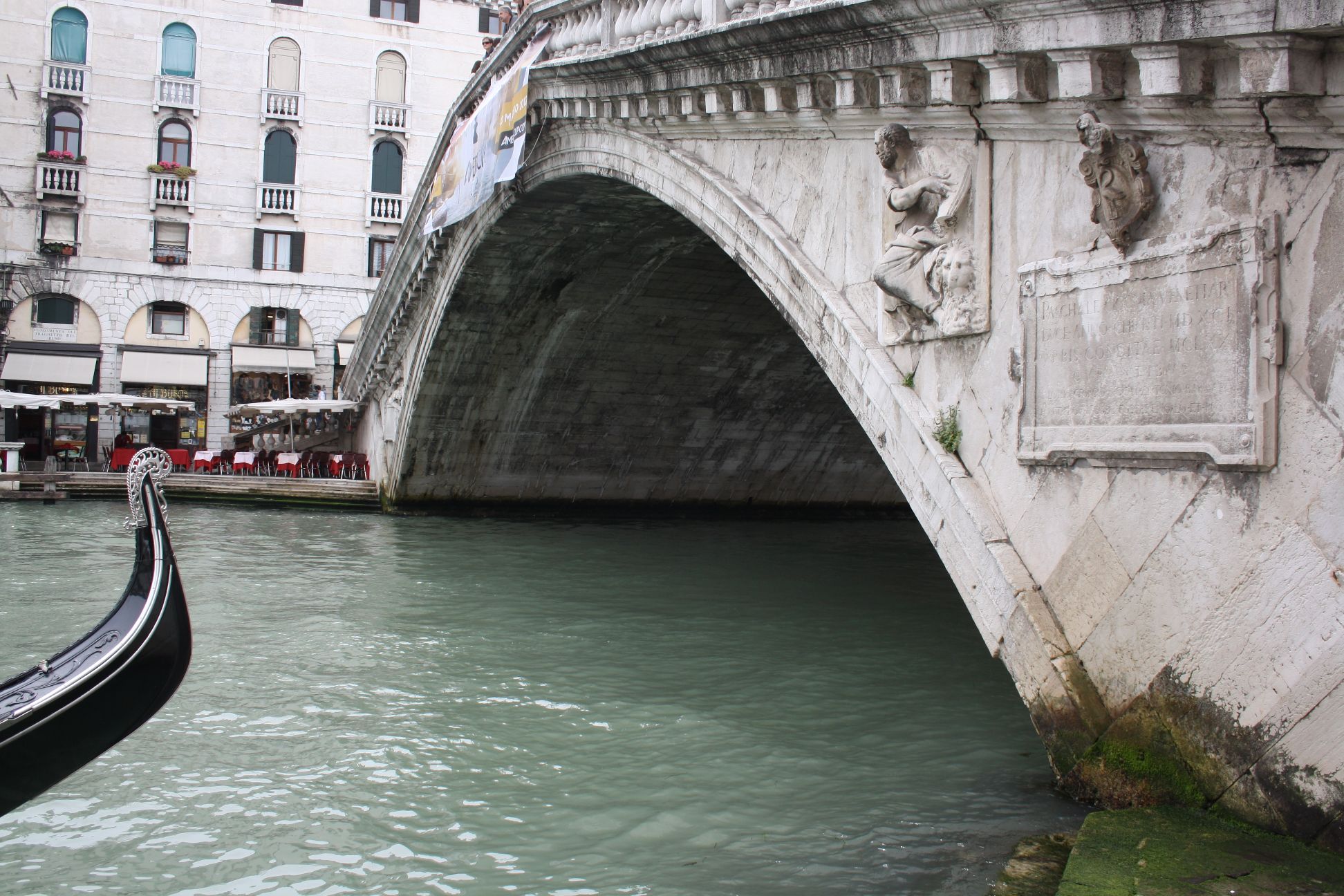
The Ponte de Rialto is the oldest bridge over the Grand Canal, a pontoon bridge having been completed at this location in 1181, and several other bridges built and collapsed until the construction of the present bridge in 1588; this structure being one of the most recognisable bridges in the World.

Ponte del Rialto

It is recorded that there was considerable controversy about the choice of a single span arch for this location, some claiming that it would be likely to collapse.  This seems surprising given that larger and flatter arch spans had been completed elsewhere at the time of construction, but as we shall see in a later post, this was not the last time that the stability of flat stone arch bridges would be questioned.

Ponte de Rialto

Ponte de Rialto

Venice Bridges: 3. Ponte degli Scalzi

Quoting from the Happy Pontist:

“Today, the bridge may appear at first sight the least distinguished of the four bridges over the Grand Canal. There are, after all, roughly 300 arch bridges in Venice, most of them in stone. However, its attraction is in its simple elegance, especially its slenderness at midspan. It’s both beautiful and durable, an illustration that older technologies are often still of great value.”

and my photos (taken on a cold and showery late spring day) don’t do it justice.  Nonetheless, here they are:
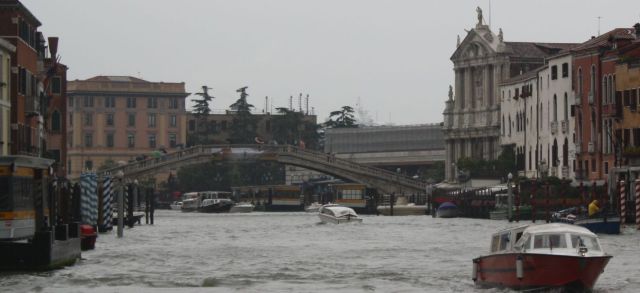
Ponte degli Scalzi

Ponte degli Scalzi, from the station forecourt

Venice Bridges: 4. Ponte della Costituzione

This, the newest of the Grand Canal Bridges (opened in 2008), escaped my attention, which is a shame since, like all bridges by Santiago Calatrava, it is a bold and eye-catching design.  Follow the link above for a detailed description at the Happy Pontist blog.

Also see these links from the City of Venice site:

City of Venice project website

The works for assembling the fourth bridge on the Grand Canal

Posted in Arch structures, Historic Bridges, Newton | Tagged , , , , , | Leave a comment

Leonardo, lenses and the earliest photograph?

Walking around Venice I had seen a large poster for a Leonardo Da Vinci exhibition, with no details of locations or dates, and on the Internet the only links were to exhibitions from previous years, but arriving in Florence I discovered that the exhibition was located at Via Cavour, 21, which just happened to be exactly the same address as the excellent hotel we were staying at.

Amongst the exhibits were devices making use of glass lenses:

Leonardo’s Lantern

and a device for accurate drawing of perspective:

Perspective Drawing Device

Model of perspective drawing device

These machines show the fascination of Da Vinci with the use and properties of light, and the production of anatomically perfect images of the human body, which supports the hypothesis that he was responsible for the famous Shroud of Turin.  It is suggested that this image is in fact of Leonardo’s own face, and is the first photographic image.  Further evidence is provided in this You Tube video:

Of course, not everybody agrees.  This link: Leonardo Da Vinci and the Shroud of Turin provides a somewhat selective skepticism about the Leonardo hypothesis, suggesting instead:

The most popular theory is the “scorch” or “thermonuclear radiation” theory. Advocates of this idea suggest that the intense light and heat generated by Christ’s body at the moment of resurrection might have burned his image into the cloth, much as “permanent shadows” of men in Hiroshima were burned into walls and other surfaces by the atomic explosion in 1945.

OK, I’m convinced.

Posted in Newton, Ray Tracing | Tagged , , | Leave a comment

Campaniles, Earthquakes and Photoshop

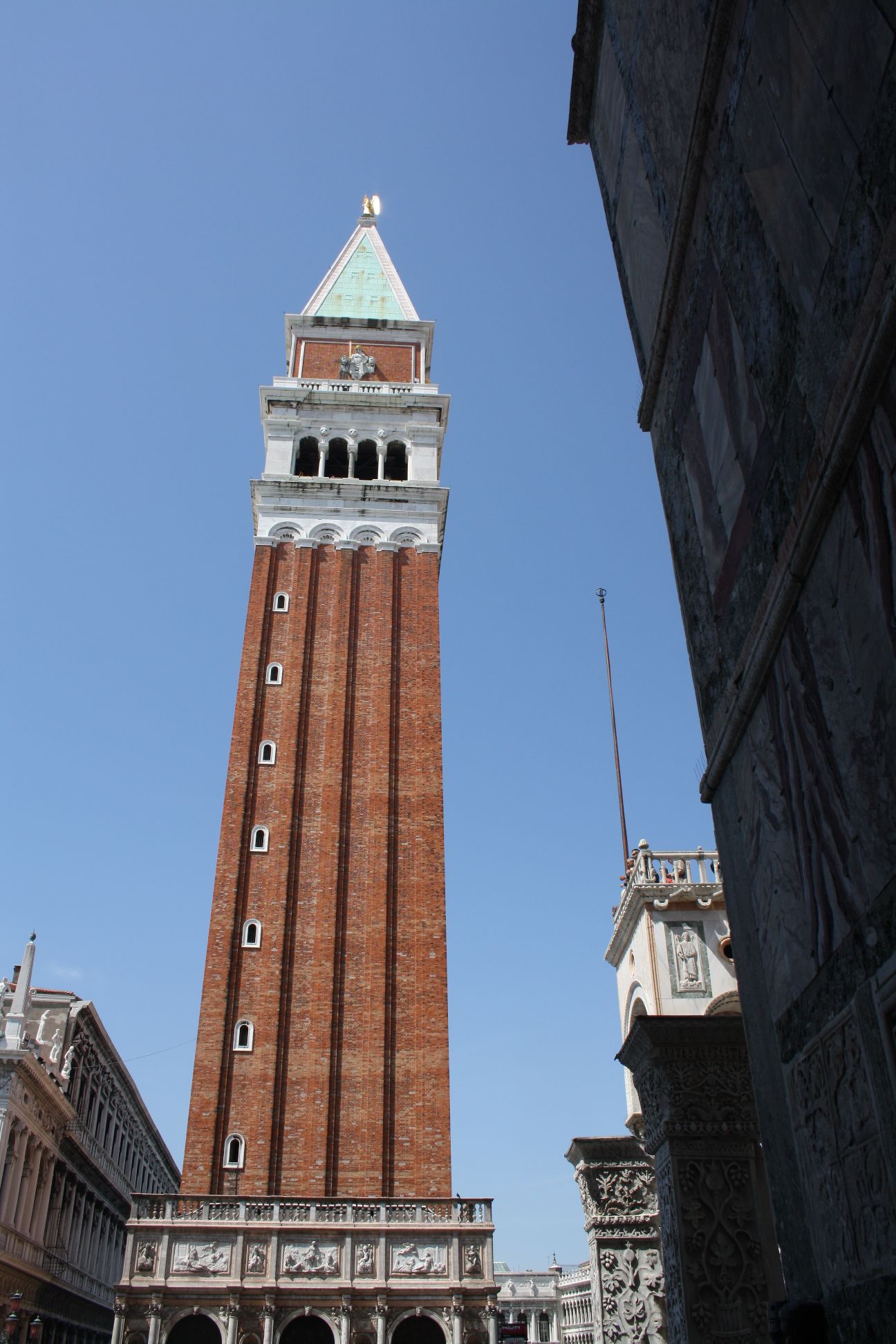
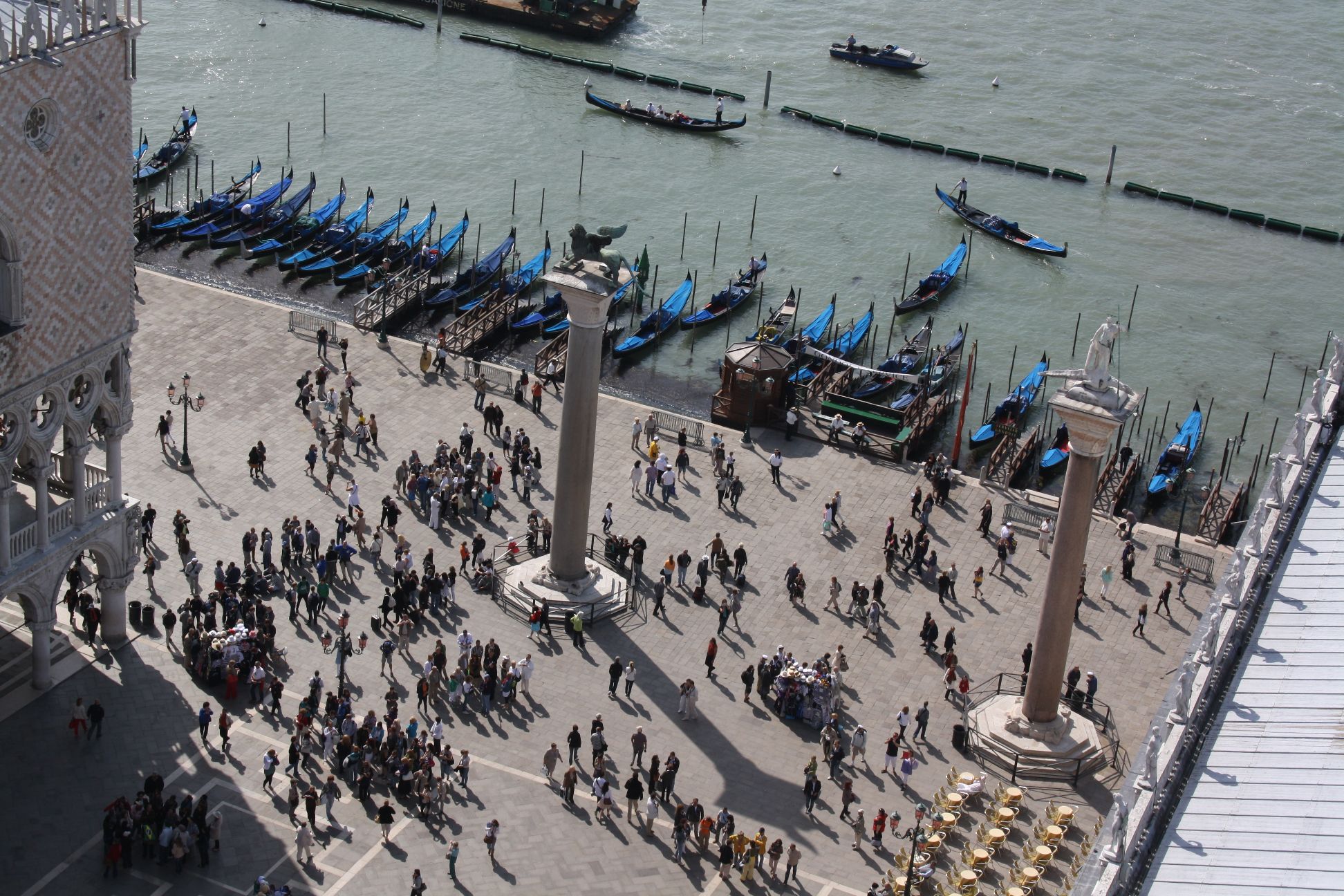
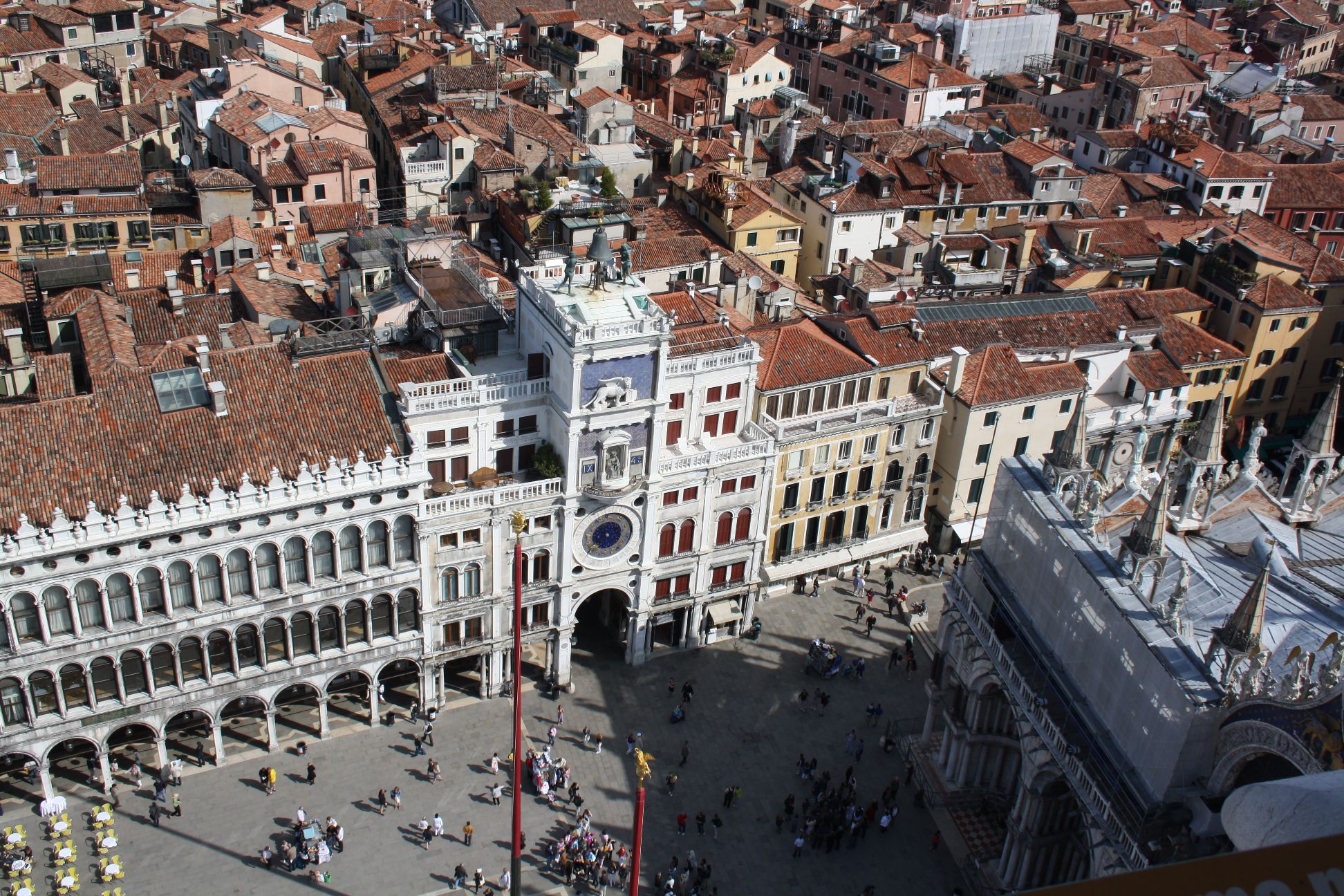
The Campanile in St Mark’s Square in Venice is the only non-original structure in the square, the original having collapsed in 1902, but the new structure is a faithful replica of the original, and still provides fine views of the city:

St. Mark’s Campanile, Venice

View from the top

St Mark’s Square from the Campanile

I asked our tour leader if the cause of the collapse of the Campanile had been an earthquake.  No she replied, Venice is not subject to Earthquake activity.  That very night we were woken at 4:00 a.m. by vigorous shaking of our hotel rooms, due to a magnitude 6.1 earthquake north of Bologna.  Well she never claimed to be a seismologist.

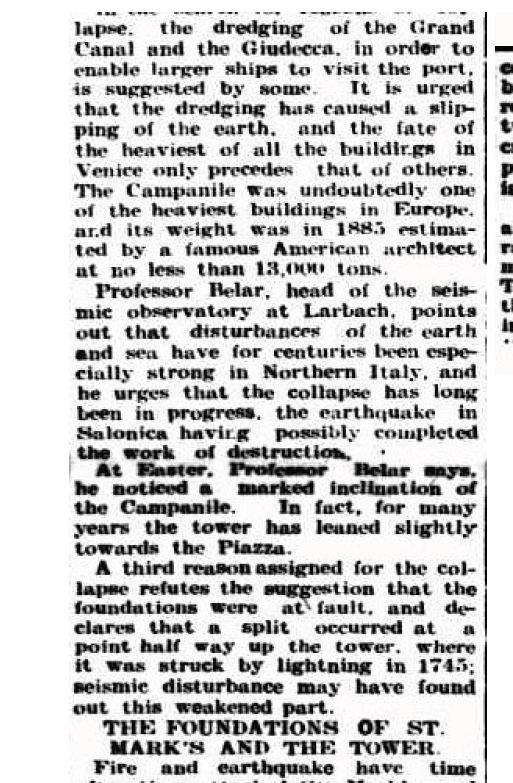
In fact the actual direct cause of the actual collapse does not seem to have been an earthquake, although earthquake activity may well have contributed to the weakening of the structure over the years.  Searching the internet the best report I could find of the event came from, of all places, The West Gippsland Gazette of 23 Sep 1902, which may be viewed here:

http://trove.nla.gov.au/ndp/del/article/68721171

Extract from the West Gippsland Gazzette report

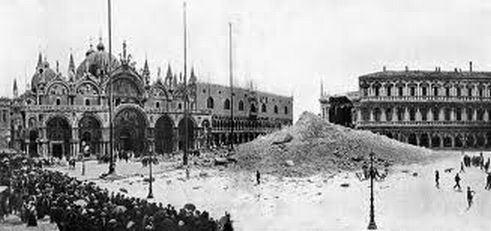
Amongst the photographs of the collapse are many genuine shots of the resulting debris:

Collapsed campanile

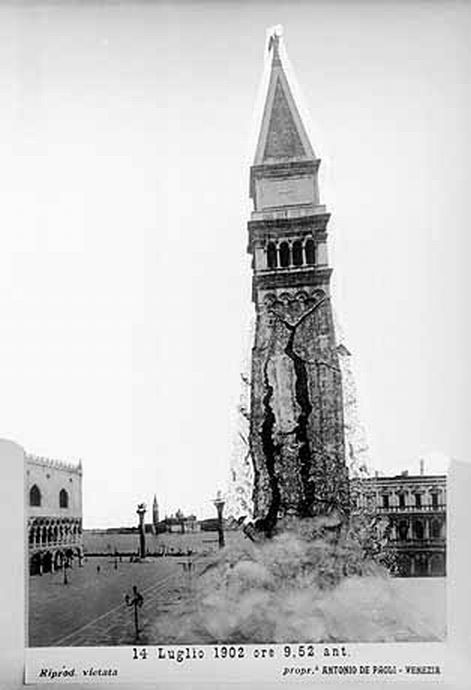
but also many images claiming to show the actual collapse.  In fact these can easily be seen to have been manipulated photographs, and the technology of the time would not have allowed a sharp rendition of this sort of action shot, even in the unlikely event of a camera being pointed in just the right direction at the time.

Fake photograph of the collapse

I thought this was likely to have been the earliest example of a photograph being “Phot0-shopped”, but there is another Italian example from hundreds of years earlier which may well have that honour, and that will be the subject of my next report.

Posted in Newton | Tagged , , , | 3 Comments

More Ligurian Arches

We will complete the stay in Camoglia with another collection of arch structures (great and small, old and new) from the district:

Santuario di Montallegro, near Rapallo

Santuario di Montallegro

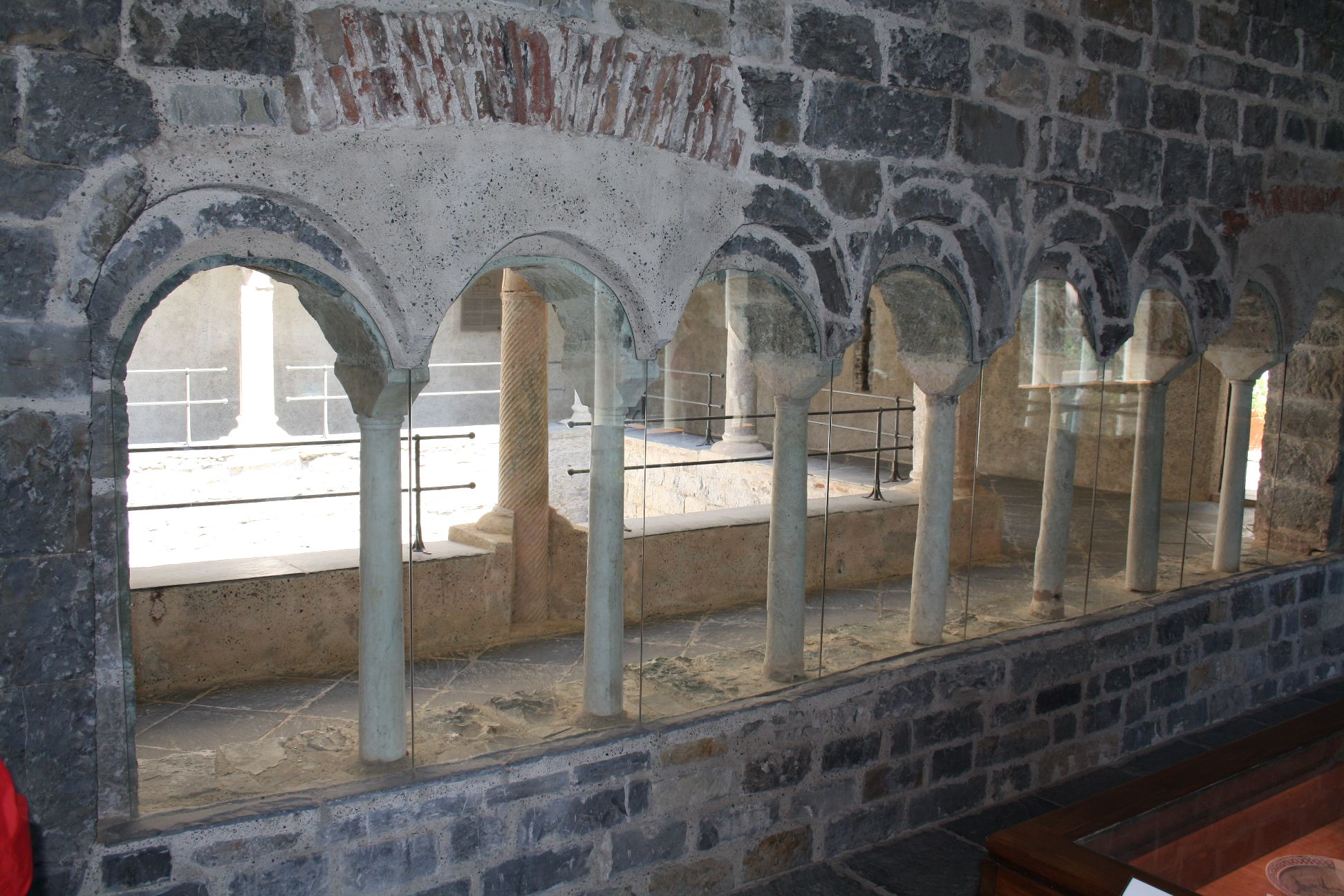
Monastry of San Fruttuoso

Monastry of San Fruttuoso

Monastry of San Fruttuoso

Monastry of San Fruttuoso

Monastry of San Fruttuoso

Monastry of San Fruttuoso

Rail viaduct at Recco

Rail viaduct at Recco, at time of construction

The recent photo of the Recco Rail Viaduct is from the Structurae Database.

The photo from the time of construction is from: http://www.miol.it/stagniweb/fs101.htm

The Recco Viaduct (line Genoa-La Spezia) was rebuilt in 1946-48 with 6 parabolic arches on a curve of 400 m radius. Thanks to its design qualities and to the importance of the railway line, it can be assumed as one of the symbols of the reconstruction.


Posted in Arch structures, Newton | Tagged , , , , , | Leave a comment